
Warmer floors and more even room temperatures
Insulating the subfloor reduces the cold surface effect of timber floors, so rooms warm up faster and stay warmer with less effort from your heater.
Belgrave Underfloor Insulation
Cold floors and draughts through floorboards are common in Belgrave’s older weatherboard and post-war homes. Underfloor insulation fitted between the joists in your subfloor cuts winter heat loss, stops cold air rising and makes timber floors noticeably warmer underfoot.
Share your details and Expert Insulation Melbourne will contact you about Underfloor Insulation in Belgrave.
Underfloor insulation is installed from the subfloor space beneath suspended timber floors. Batts of glasswool, polyester or rockwool are friction-fit between the floor joists, with reflective foil sometimes added for extra radiant heat control. The job requires enough crawl space for access, and any existing damaged or wet batts are removed first.
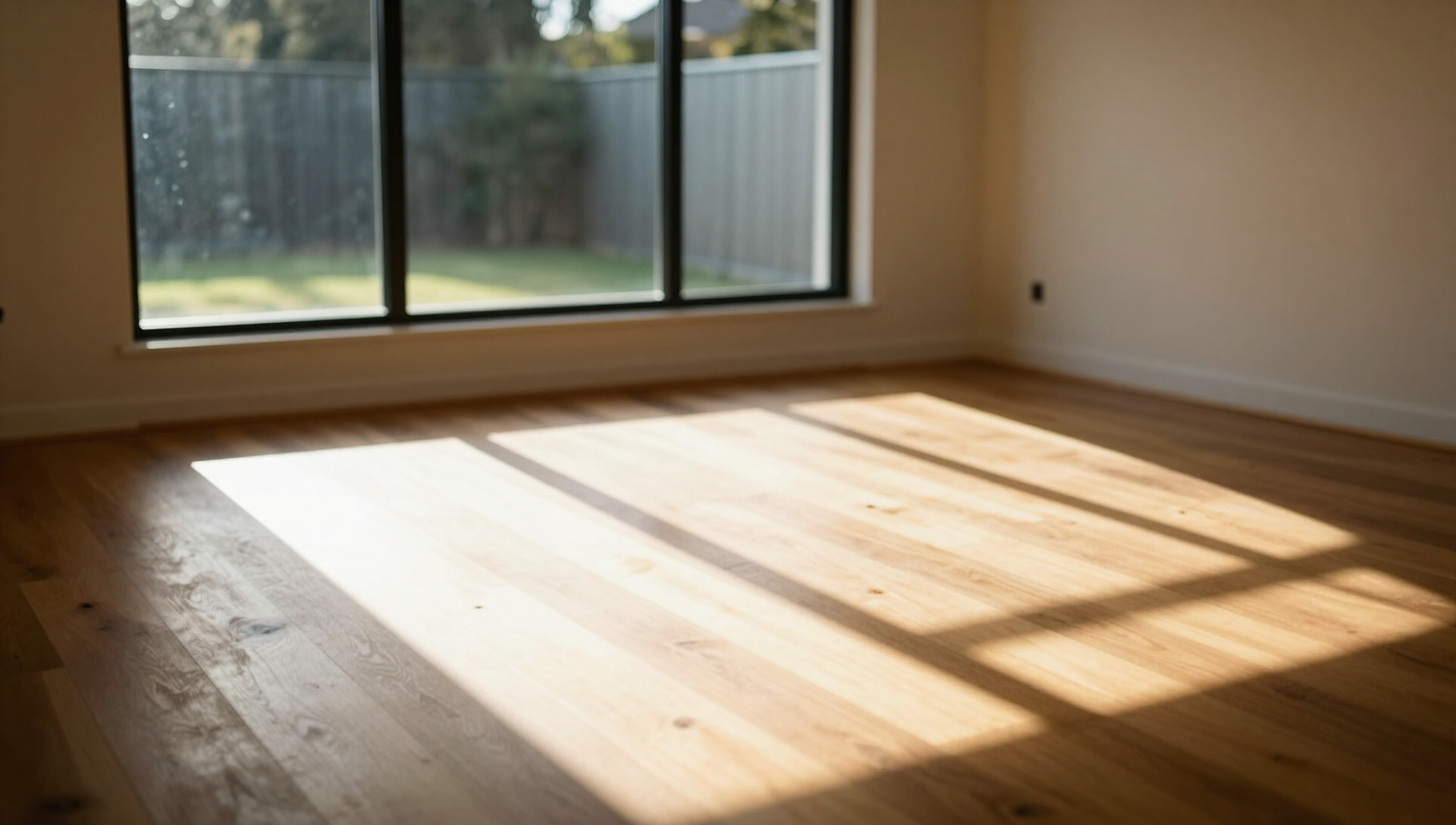
Belgrave’s cool, damp winters and older housing stock make underfloor insulation a practical upgrade. Suspended timber floors with no insulation let cold air rise through gaps and floorboards, increasing heating costs and making rooms feel chilly.
Insulating the subfloor reduces the cold surface effect of timber floors, so rooms warm up faster and stay warmer with less effort from your heater.
Batts block air movement between the subfloor and living spaces, stopping cold draughts that make ankles cold and force heaters to work harder.
Reducing heat loss through the floor can cut heating energy use by a noticeable amount, especially in older Belgrave homes with poor thermal performance.
Properly installed underfloor insulation helps manage moisture in the subfloor, lowering the risk of condensation on cold surfaces and protecting floor timbers.
Cold floors are often worst in bedrooms and living rooms above the subfloor. Insulation makes these spaces more comfortable to use year-round.
By reducing temperature swings and moisture, insulation helps preserve the condition of bearers, joists and floorboards over time.
Access and safety come first. We check the subfloor for adequate crawl space, structural soundness and any signs of asbestos in old materials. If asbestos is suspected, work stops until a qualified assessor inspects it.
We measure the joist spacing, check for existing insulation and assess access points. Any old batts, debris or loose material is removed to create a clean workspace.
Batts are cut to the exact width of the joist spacing and friction-fit between the joists. We maintain a snug fit without compression to ensure full thermal performance.
For extra radiant heat control, we can install reflective foil under the batts or against the subfloor, leaving the required air gap for it to work effectively.
We verify all gaps are filled, batts are secure and no material is left loose in the subfloor. The area is left clean, with access points properly sealed.
Belgrave’s mix of older weatherboard homes and mid-century houses often have suspended timber floors with little or no insulation. The suburb’s elevation and exposure to cold southerly winds make uninsulated floors a major source of heat loss. Underfloor batts are a straightforward way to improve comfort without disrupting the home’s structure.
Stop cold floors and draughts in Belgrave with underfloor batts installed between joists in the subfloor.
Homeowners in Belgrave often ask about access, R-values and whether their floor type suits underfloor insulation. Here are the key details.
Underfloor insulation in Belgrave targets the cold floors and draughts common in the suburb’s older timber-framed homes. Suspended floors without insulation allow cold air to rise through gaps and floorboards, making rooms feel chilly and increasing heating costs. Batts installed between the joists in the subfloor reduce heat loss, block draughts and make floors noticeably warmer underfoot.
The process starts with a subfloor inspection to confirm access and check for existing materials. Batts of glasswool, polyester or rockwool are cut to fit snugly between the joists, with reflective foil added for extra radiant heat control if needed. Typical R-values for underfloor insulation range from R1.5 to R2.5, depending on the product and the home’s needs. Costs vary with floor area, joist spacing, access difficulty and whether old insulation needs removal.
Signs your Belgrave home needs underfloor insulation include cold floors in winter, noticeable draughts through floorboards and higher than expected heating bills. Properties with suspended timber floors, especially older weatherboard or post-war homes, benefit most from this upgrade. Proper installation also helps manage subfloor moisture, reducing the risk of condensation and protecting the floor structure long term.
Reduce cold floors and draughts in your Belgrave home with underfloor batts installed by Expert Insulation Melbourne. We inspect your subfloor, recommend the right R-value and fit the insulation properly for lasting comfort.